Top Game Booster Apps for Low-End Android Devices
If you are using a low-end Android phone, gaming can often feel slow and frustrating بسبب lag و frame drops. Many games require more power than your device can handle, which leads to poor performance.

The good news is that game booster apps can help optimize your phone, free up RAM, and improve gaming performance. In this guide, you will discover the top game booster apps for low-end Android devices in 2026.


Why Low-End Devices Need Game Booster Apps

Low-end phones have limited resources, which makes gaming difficult.

Common issues include:

  • Low RAM
  • Background apps consuming CPU
  • Overheating
  • Poor system optimization

Game booster apps help by:

  • Freeing memory
  • Closing background apps
  • Optimizing system performance

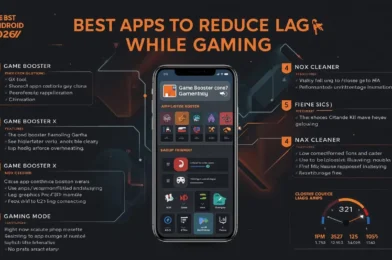
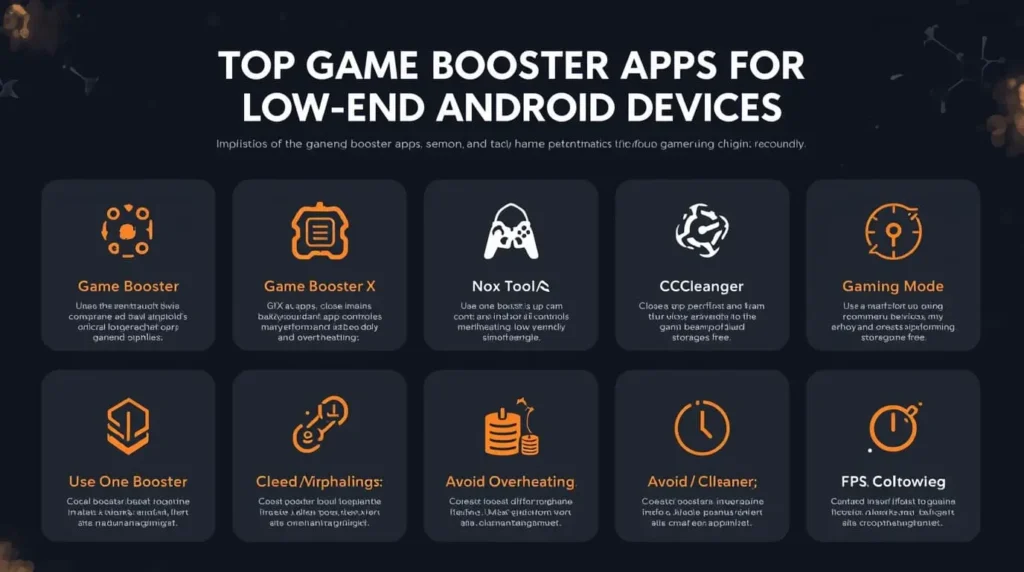
Top Game Booster Apps for Low-End Android

Game Booster Apps for Low-End Android

1. Game Booster (Built-in / Samsung Game Booster)

Many Android phones come with built-in game boosters.

For example, Samsung Game Booster helps manage performance, control background apps, and improve gaming stability.

  • No extra installation needed
  • Optimized for device hardware
  • Best for supported phones

2. Game Booster X

A lightweight app designed for low-end devices.

  • One-tap boost
  • Clears RAM instantly
  • Simple interface

3. GFX Tool (For Supported Games)

Allows advanced control over graphics settings.

  • Reduce resolution
  • Unlock FPS
  • Improve performance

⚠️ Use only with supported games and trusted versions.


4. Nox Cleaner

A popular cleaning and optimization tool.

  • Removes junk files
  • Boosts RAM
  • Improves speed

5. CCleaner

One of the most trusted cleaning apps.

  • Clears cache
  • Frees storage
  • Improves device responsiveness

6. Gaming Mode Apps

Some third-party apps provide gaming mode features like blocking notifications and optimizing performance.

According to Android Help, limiting background activity and system processes can improve app performance, including games.


Best Settings to Use With Game Booster Apps

Using booster apps alone is not enough. Combine them with proper settings:

  • Graphics: Low or Smooth
  • Frame Rate: Medium or High (stable only)
  • Shadows: Off
  • Effects: Low

This ensures maximum performance improvement.


Best Tips for Better Results

1. Use Only One Booster App

Using multiple apps can cause conflicts and reduce performance.


2. Close Apps Before Boosting

Manual cleaning + booster app = better results.


3. Avoid Overheating

  • Do not play while charging
  • Take breaks
  • Keep your phone cool

4. Keep Storage Free

Low storage reduces performance significantly.


Common Mistakes to Avoid

  • Installing too many booster apps
  • Using untrusted tools
  • Relying only on apps without adjusting game settings
  • Ignoring overheating issues

Extra Tip

Game booster apps help, but the biggest improvement always comes from lowering graphics settings. Always prioritize stability over visuals.


Conclusion

Game booster apps can significantly improve gaming performance on low-end Android devices when used correctly.

Choose a trusted app, combine it with proper settings, and keep your device optimized for the best results. Smooth gameplay is possible—even on weak phones.
How to Reduce Ping in Mobile Games (No Lag Method)

High ping is one of the biggest problems in mobile gaming. Even if your FPS is stable, a high ping can cause delays, teleporting enemies, and unresponsive controls. If you want a smooth online gaming experience, reducing ping is just as important as improving FPS.

In this guide, you will learn how to reduce ping in mobile games using simple and effective methods.


What Is Ping and Why It Matters

Ping measures the time it takes for your device to communicate with the game server.

  • Low ping (0–50 ms) → smooth gameplay
  • Medium ping (50–100 ms) → playable
  • High ping (100+ ms) → lag and delay

High ping causes:

  • Delayed shooting
  • Late hit registration
  • Rubberbanding (teleporting effect)
  • Slow response time

1. Use a Stable Internet Connection

Your connection type is the most important factor.

Best Options:

  • Use Wi-Fi instead of mobile data
  • Stay close to the router
  • Avoid public or crowded networks

For best results, ensure your connection is stable and not overloaded.


2. Restart Your Router

Restarting your router can fix temporary network issues.

  • Turn it off for 30 seconds
  • Turn it back on
  • Reconnect your device

This refreshes your connection and may reduce ping.


3. Close Background Apps Using Internet

Apps running in the background can use bandwidth.

Before playing:

  • Close apps like YouTube, downloads, or updates
  • Stop background syncing

This ensures your game gets maximum network priority.


4. Turn Off Background Data (Optional)

Some apps continue using data even when not open. You can restrict them through Android settings.

According to Android Help, managing background data can help control how apps use your internet connection.


5. Choose the Nearest Server

Most online games allow you to select a server.

  • Always choose the closest region
  • Avoid distant servers (higher ping)

The closer the server, the faster the response time.


6. Avoid Playing During Peak Hours

Internet speeds may drop when many users are online.

  • Try playing during off-peak hours
  • Avoid evening congestion if possible

7. Use 5GHz Wi-Fi (If Available)

Modern routers support 2.4GHz and 5GHz bands.

  • 5GHz → faster, lower latency (short range)
  • 2.4GHz → longer range, but slower

Using 5GHz can improve ping if you are close to the router.


8. Disable VPN (If Not Needed)

VPNs can increase ping because they route your connection through distant servers.

Only use a VPN if it actually improves your routing (rare cases).


9. Keep Your Network Hardware Updated

Outdated routers or firmware can affect performance.

You can check official guidelines from manufacturers like TP-Link Support to update firmware and improve network stability.


10. Reduce Network Interference

Wi-Fi signals can be affected by:

  • Walls
  • Other devices
  • Bluetooth interference

Try to:

  • Move closer to the router
  • Reduce obstacles
  • Limit connected devices

Common Mistakes to Avoid

  • Playing on weak mobile data signal
  • Using crowded public Wi-Fi
  • Running downloads while gaming
  • Using VPN unnecessarily
  • Connecting to distant servers

Extra Tip

If you still experience issues, check your game’s official support page or server status. For example, you can visit PUBG MOBILE Support for network-related troubleshooting.


Conclusion

Reducing ping in mobile games is mainly about improving your internet connection and reducing network load.

By using a stable Wi-Fi connection, closing background apps, choosing the nearest server, and optimizing your network settings, you can significantly reduce ping and enjoy smoother, lag-free gameplay.

Remember: low ping = faster response + better performance.

Best Sensitivity Settings for PUBG Mobile (Zero Recoil Guide)

If you want better aim, smoother tracking, and near zero recoil in PUBG Mobile, your sensitivity settings matter more than your device or graphics. The right sensitivity setup can completely transform your gameplay, helping you control spray, hit more headshots, and react faster in close fights.

In this guide, you will learn the best PUBG Mobile sensitivity settings for zero recoil, along with tips to customize them based on your device and playstyle.

Why Sensitivity Settings Are Important

Sensitivity controls how fast your screen moves when you swipe. If it is too high, your aim becomes unstable. If it is too low, your movement becomes slow and unresponsive.

The goal is to find a balance that allows:

  • Smooth recoil control
  • Accurate tracking
  • Fast reaction in close-range fights

According to the official PUBG MOBILE Support, adjusting sensitivity properly is one of the key ways to improve aiming accuracy and overall gameplay performance.

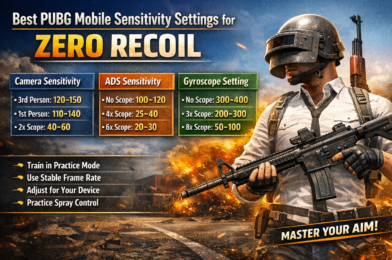
Best Camera Sensitivity (Free Look)

These settings control how you look around without shooting.

  • 3rd Person Camera: 120–150
  • 1st Person Camera: 110–140
  • Camera (Parachuting): 120–150

This allows faster movement when scanning enemies.

Best Camera Sensitivity (While Shooting)

These settings affect how your aim moves when you drag your finger on the screen.

  • 3rd Person No Scope: 120–140
  • 1st Person No Scope: 110–130
  • Red Dot / Holographic: 60–80
  • 2x Scope: 40–60
  • 3x Scope: 30–50
  • 4x Scope: 25–40
  • 6x Scope: 20–30
  • 8x Scope: 10–20

Lower sensitivity on higher scopes helps reduce recoil and improve long-range accuracy.

Best ADS Sensitivity (For Recoil Control)

ADS (Aim Down Sight) sensitivity is the most important setting for zero recoil.

  • No Scope: 100–120
  • Red Dot / Holographic: 50–70
  • 2x Scope: 40–60
  • 3x Scope: 30–50
  • 4x Scope: 25–40
  • 6x Scope: 20–30
  • 8x Scope: 10–20

These values help control spray patterns, especially with weapons like M416 and AKM.

Best Gyroscope Settings (Optional but Powerful)

If you use gyroscope, you can achieve much better recoil control.

  • No Scope: 300–400
  • Red Dot: 300–400
  • 2x Scope: 250–350
  • 3x Scope: 200–300
  • 4x Scope: 150–250
  • 6x Scope: 80–150
  • 8x Scope: 50–100

Gyroscope allows you to control recoil by moving your phone instead of dragging your finger, which is more precise for many players.

Tips to Achieve Zero Recoil

Start With Training Mode

Do not copy settings and jump into matches immediately. Test them in training mode and adjust gradually.

Adjust Based on Your Device

Different screen sizes and touch sensitivity affect how settings feel. There is no universal perfect setup.

Use Stable Frame Rate

Low FPS makes recoil harder to control. Make sure your game runs smoothly using optimized settings. You can also follow general Android performance recommendations from Android Help to improve device responsiveness.

Practice Spray Control

Even the best sensitivity will not eliminate recoil without practice. Learn how each weapon behaves.

Do Not Change Settings Too Often

Stick with one setup for a few days. Constant changes will slow your improvement.

Best Sensitivity by Player Type

Beginner Players

  • Use slightly lower sensitivity
  • Focus on stability and control

Advanced Players

  • Use higher sensitivity for faster reactions
  • Combine with gyroscope for better recoil control

Common Mistakes to Avoid

  • Using very high sensitivity (leads to shaky aim)
  • Copying pro settings without testing
  • Ignoring ADS sensitivity (most important for recoil)
  • Playing with unstable FPS

Conclusion

The best PUBG Mobile sensitivity settings for zero recoil are not about copying numbers blindly. They are about finding the right balance between control and speed.

Start with the recommended values in this guide, test them in training mode, and adjust slowly based on your comfort. With consistent practice and the right setup, you can significantly improve your aim and reduce recoil in every fight.

Best Apps to Reduce Lag While Gaming on Android (2026)

Lag is one of the biggest problems mobile gamers face, especially on low-end devices. Even if your game is optimized, background processes and system limitations can still cause frame drops, stuttering, and delayed response.

The good news is that there are several apps designed to reduce lag and improve gaming performance on Android. In this guide, you will discover the best apps to reduce lag while gaming in 2026.


Why Games Lag on Android Devices

Before using any app, it is important to understand why lag happens:

  • Limited RAM and weak CPU
  • Background apps consuming resources
  • Overheating
  • Poor system optimization
  • High graphics settings

Lag reduction apps help by freeing resources and optimizing performance.


Best Apps to Reduce Lag While Gaming


1. Game Booster (Built-in or Third-Party)

Game Booster apps optimize your device automatically.

  • Clears RAM
  • Blocks background apps
  • Improves performance

For example, Samsung Game Booster provides built-in performance optimization on supported devices.


2. GFX Tool (For Supported Games)

GFX tools allow you to customize graphics settings beyond default options.

  • Lower resolution
  • Unlock FPS options
  • Reduce lag

⚠️ Use only trusted versions and compatible games.


3. CCleaner

A popular cleaning app that helps free storage and RAM.

  • Clears cache
  • Removes junk files
  • Improves device speed

4. Game Booster X

A lightweight app designed to improve gaming performance.

  • One-tap optimization
  • RAM cleaning
  • Background control

5. Nox Cleaner

A simple app to clean and optimize your device.

  • Removes junk files
  • Boosts RAM
  • Reduces lag

6. Gaming Mode Apps

Many Android devices come with built-in gaming modes that block notifications and optimize performance.

According to Android Help, managing system activity and background processes can directly affect app performance, including games.


Best Settings to Use With These Apps

Apps alone are not enough. Combine them with proper settings:

  • Graphics: Low or Smooth
  • Frame Rate: High (stable only)
  • Shadows: Off
  • Effects: Low

This ensures maximum performance.


Best Tips for Maximum Performance

1. Use One Booster App Only

Using multiple booster apps at the same time can cause conflicts.


2. Close Apps Manually

Even with booster apps, manually closing apps improves results.


3. Avoid Overheating

  • Do not play while charging
  • Take breaks
  • Keep your phone cool

4. Keep Storage Free

Low storage can reduce performance.


Common Mistakes to Avoid

  • Installing too many booster apps
  • Using untrusted GFX tools
  • Relying only on apps without optimizing settings
  • Ignoring overheating issues

Extra Tip

Not all lag can be fixed with apps. If your device is very weak, lowering graphics settings will always have a bigger impact than any booster app.


Conclusion

Lag reduction apps can help improve gaming performance, but they work best when combined with proper settings and device optimization.

Use trusted apps, avoid overloading your device, and focus on stability to achieve smoother gameplay in 2026.

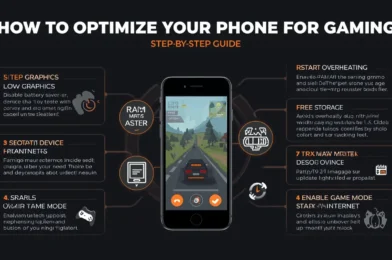
How to Optimize Your Phone for Gaming (Step-by-Step Guide)

If your phone lags, overheats, or struggles to run games smoothly, the issue is usually not the game—it is your device setup. Proper optimization can significantly improve performance, increase FPS, and reduce lag, even on low-end phones.

In this step-by-step guide, you will learn how to optimize your phone for gaming and get the best possible performance.


Why Phone Optimization Matters for Gaming

Mobile games require stable performance, fast response, and efficient resource usage. Without optimization, you may face:

  • Frame drops (low FPS)
  • Lag and stuttering
  • Overheating
  • Delayed touch response

Optimization helps your phone focus its power on the game instead of background processes.


Step 1: Lower In-Game Graphics Settings

Start by reducing graphics inside the game.

Recommended Settings:

  • Graphics: Low or Smooth
  • Frame Rate: High (if stable)
  • Shadows: Off
  • Anti-Aliasing: Off
  • Effects: Low

This reduces GPU load and improves stability.


Step 2: Close Background Apps

Background apps consume RAM and CPU.

Before playing:

  • Close all unused apps
  • Clear recent apps

This frees up system resources for gaming.


Step 3: Turn Off Battery Saver

Battery Saver limits device performance. According to Android Help, this mode reduces system activity and may affect app performance, including games.

Turning it off allows your phone to run at full capacity.


Step 4: Restart Your Phone

Restarting your device:

  • Clears temporary memory
  • Stops hidden processes
  • Improves responsiveness

Do this before long gaming sessions.


Step 5: Free Up Storage Space

Low storage can slow down your phone.

What to do:

  • Delete unused apps
  • Clear cache
  • Remove large files

Keeping enough free space improves performance.


Step 6: Enable Game Mode or Game Booster

Many phones include built-in gaming tools.

For example, Samsung Game Booster helps optimize performance, manage background apps, and improve stability during gameplay.


Step 7: Prevent Overheating

Heat reduces performance and causes lag.

To avoid overheating:

  • Do not play while charging
  • Play in a cool environment
  • Take breaks between sessions

When your phone gets hot, it automatically reduces performance.


Step 8: Lower Screen Brightness

High brightness increases heat and battery usage. Keep it at a moderate level for better performance.


Step 9: Update Your System and Games

Updates often include:

  • Performance improvements
  • Bug fixes
  • Better optimization

Always keep your Android system and games updated.


Step 10: Use Stable Internet Connection

For online games:

  • Use Wi-Fi instead of mobile data
  • Avoid crowded networks
  • Stay close to the router

Network issues can feel like performance lag.


Common Mistakes to Avoid

  • Playing with high graphics on weak devices
  • Keeping many apps running
  • Ignoring overheating
  • Playing while charging
  • Not updating the system

Extra Tip

If you experience crashes, login problems, or performance issues, you can visit official support pages like PUBG MOBILE Support for troubleshooting and updates.


Conclusion

Optimizing your phone for gaming is simple but very effective. By lowering graphics, freeing system resources, preventing overheating, and using built-in tools, you can dramatically improve your gaming experience.

The key is to keep your device clean, cool, and focused on performance.

Best COD Mobile Settings for Low-End Devices (High FPS Guide)

Call of Duty Mobile is one of the most demanding mobile shooters, and if you are using a low-end device, you may experience lag, frame drops, or delayed controls. The good news is that with the right settings, you can significantly improve performance and achieve smoother gameplay—even on budget phones.

In this guide, you will learn the best COD Mobile settings for low-end devices to get higher FPS and a more stable experience.

Why COD Mobile Lags on Low-End Devices

Low-end smartphones often struggle with COD Mobile due to:

  • Limited RAM and weaker processors
  • Heavy graphics and detailed environments
  • Background apps consuming resources
  • Device overheating during long sessions

To fix this, you need to reduce the workload on your device and focus on performance over visuals.

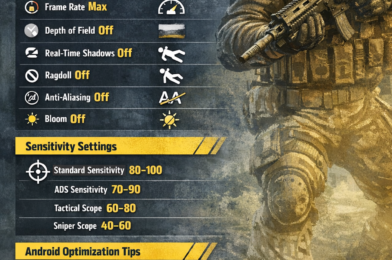
Best COD Mobile Graphics Settings for High FPS

Graphics Quality: Low

Set Graphics Quality to Low.

This reduces the load on your GPU and helps maintain a stable frame rate, especially during intense gunfights.

Frame Rate: Max

Set Frame Rate to Max.

Higher frame rates make the game feel smoother and improve reaction time. If your device overheats, you can reduce it slightly.

Depth of Field: Off

Turn Depth of Field Off.

This feature adds blur effects that are unnecessary and reduce performance on weaker devices.

Real-Time Shadows: Off

Disable Real-Time Shadows.

Shadows consume extra resources and can cause FPS drops in crowded areas.

Ragdoll: Off

Turn Ragdoll Off.

This setting controls how character bodies react after elimination. Disabling it helps reduce CPU usage.

Anti-Aliasing: Off

Turn Anti-Aliasing Off.

While it improves visuals, it can reduce performance significantly on low-end phones.

Bloom: Off

Disable Bloom to avoid unnecessary lighting effects that can impact performance.

Best Sensitivity Settings (For Smooth Aim)

Optimized sensitivity helps you control recoil and aim better, especially if your FPS is not very high.

Recommended values:

  • Standard Sensitivity: 80–100
  • ADS Sensitivity: 70–90
  • Tactical Scope: 60–80
  • Sniper Scope: 40–60

Adjust gradually until you find what feels comfortable.

Android Optimization Tips for Better Performance

Close Background Apps

Always close unused apps before launching the game. This frees up RAM and improves stability.

Turn Off Battery Saver

Battery Saver can limit device performance. According to Android Help, this mode restricts background activity and system performance, which can affect gaming smoothness.

Restart Your Device Before Playing

Restarting clears temporary processes and improves memory usage.

Keep Enough Free Storage

Low storage can slow down your phone. Make sure you have enough free space for smoother performance.

Use Game Booster

If your phone supports gaming optimization tools, use them. For example, Samsung Game Booster allows performance adjustments that can improve gameplay stability.

Avoid Overheating

  • Do not play while charging
  • Play in a cool environment
  • Take breaks between matches

Heat is one of the main reasons for FPS drops.

Best Settings by RAM Size

2GB–3GB RAM Devices

  • Graphics: Low
  • Frame Rate: Medium or High
  • Shadows: Off
  • Anti-Aliasing: Off

4GB RAM Devices

  • Graphics: Low
  • Frame Rate: High or Max
  • Shadows: Off

6GB+ RAM Devices

  • Graphics: Medium
  • Frame Rate: Max
  • Shadows: Optional

Extra Tip

If you face bugs, update issues, or performance problems, you can visit the official COD Mobile Support page for troubleshooting and updates.

Conclusion

The best COD Mobile settings for low-end devices focus on maximizing FPS and minimizing unnecessary graphics load.

By using low graphics, high frame rate, disabling heavy effects, and optimizing your device, you can achieve smoother and more responsive gameplay—even on older Android phones.

Performance always wins over visuals, especially in competitive games like COD Mobile

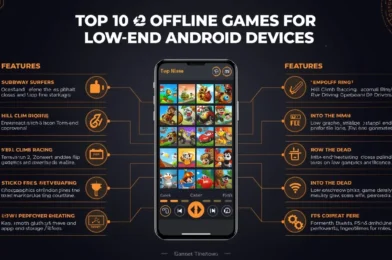
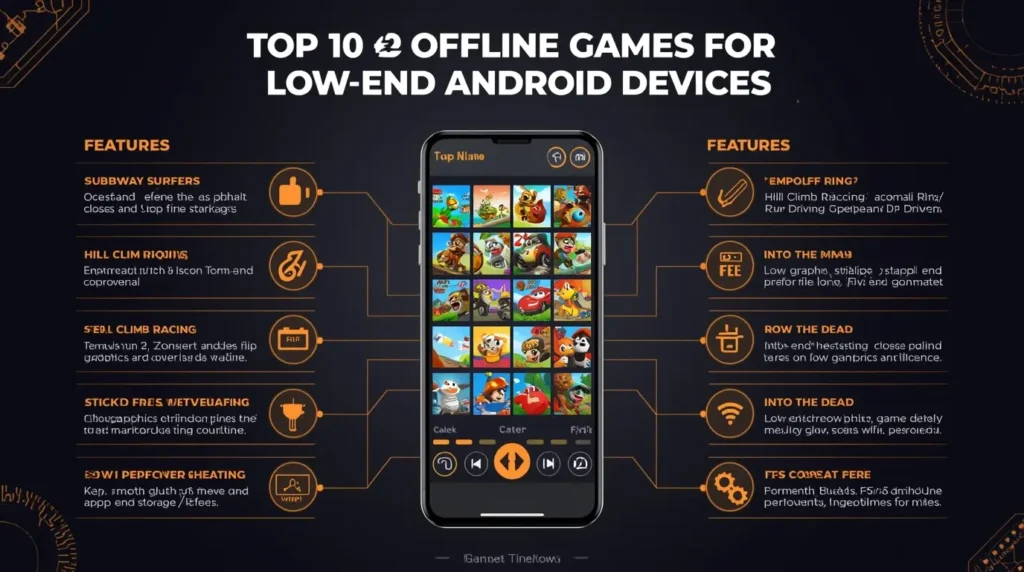
Top 10 Offline Games for Low-End Android Devices (2026)

Not everyone has a powerful smartphone or a constant internet connection. If you are using a low-end Android device, finding offline games that run smoothly without lag can be a challenge.

The good news is that many lightweight offline games still offer great gameplay without requiring high specs. In this guide, you will discover the top 10 offline games for low-end Android devices in 2026.


Why Choose Offline Games for Low-End Devices?

Offline games are perfect for budget phones because they:

  • Use less RAM and CPU
  • Do not require internet connection
  • Reduce battery consumption
  • Run more smoothly on weak hardware

This makes them ideal for 2GB–3GB RAM devices.


Top 10 Offline Games for Low-End Android


1. Subway Surfers

A classic endless runner that works perfectly on almost any Android device.

  • Lightweight and smooth
  • No internet required
  • Fast-paced gameplay

2. Shadow Fight 2

A popular fighting game with smooth animations and low system requirements.

  • Offline gameplay
  • Simple controls
  • Runs well on low-end phones

3. Asphalt Nitro

A lighter version of Asphalt designed specifically for low-end devices.

  • Small download size
  • Smooth racing experience
  • Optimized performance

4. Hill Climb Racing

A fun physics-based driving game that runs on almost all devices.

  • Very lightweight
  • Offline gameplay
  • Easy to play

5. Dr. Driving

One of the best lightweight driving games.

  • Small size
  • Smooth performance
  • Works well on 2GB RAM

6. Temple Run 2

A well-known endless runner with simple mechanics.

  • Optimized for low-end devices
  • Offline mode
  • Smooth gameplay

7. Cover Fire

An offline shooting game with surprisingly good optimization.

  • Story mode available offline
  • Decent graphics for low-end phones
  • Smooth controls

8. Into the Dead

A survival zombie game that runs well even on weaker devices.

  • Offline gameplay
  • Simple controls
  • Immersive experience

9. Stickman Dismounting

A physics-based game that is both fun and lightweight.

  • Very small size
  • Smooth performance
  • Works on almost any phone

10. Plants vs Zombies

A classic strategy game that still runs smoothly on low-end devices.

  • Offline gameplay
  • Low system requirements
  • Addictive mechanics

Tips for Smooth Gameplay on Low-End Devices

Tips for Smooth Gameplay on Low-End Devices

Even offline games can lag if your phone is not optimized.

Lower In-Game Settings

Always set graphics to low if the option is available.


Close Background Apps

Free up RAM before launching games.


Turn Off Battery Saver

Battery Saver may reduce performance. According to Android Help, it limits system activity and can affect app performance.


Avoid Overheating

  • Do not play while charging
  • Take breaks
  • Keep your phone cool

Common Mistakes to Avoid

  • Installing heavy offline games
  • Keeping too many apps open
  • Playing for long periods without breaks
  • Ignoring storage space

Extra Tip

If a game becomes laggy over time, try restarting your phone before playing. This clears memory and improves performance.


Conclusion

Low-end Android devices can still provide a great gaming experience if you choose the right games.

The offline games listed above are lightweight, smooth, and perfect for 2026. Combine them with proper device optimization, and you will enjoy lag-free gameplay even on budget phones.

Best Free Fire Settings for Smooth Gameplay on Android

If you are playing Free Fire on an Android device and experiencing lag, frame drops, or delayed controls, the issue is usually not your skill—it is your settings. The good news is that with the right configuration, even low-end phones can run Free Fire smoothly.

In this guide, you will discover the best Free Fire settings for smooth gameplay on Android, along with practical tips to reduce lag and improve performance.


Why Free Fire Lags on Android Devices

Free Fire is optimized for a wide range of devices, but performance issues still happen due to:

  • Limited RAM
  • Weak processors
  • Background apps consuming resources
  • High graphics settings
  • Overheating during long sessions

To fix this, you need to balance performance and visuals instead of pushing maximum graphics.


Best Free Fire Graphics Settings for Smooth Gameplay

Graphics: Smooth

Set Graphics to Smooth.

This reduces the load on your device and significantly improves performance, especially on low-end phones.


High FPS: On

Turn High FPS On if your device supports it.

Higher FPS makes gameplay feel more responsive and smoother. If your phone starts overheating, you can turn it off.


Minimize (Minimap Auto Scale): Off

Turn Minimize Off.

This prevents unnecessary scaling effects that may slightly impact performance.


Filter: Classic

Use the Classic filter.

Avoid heavy filters that add visual effects and increase GPU usage.


Shadow: Off

Turn Shadows Off.

Shadows look nice but reduce performance, especially during intense fights.


Best Sensitivity Settings (For Smooth Control)

Good sensitivity improves aim and control, especially on lower FPS devices.

Recommended baseline:

  • General: 90–100
  • Red Dot: 85–95
  • 2x Scope: 75–85
  • 4x Scope: 65–75
  • AWM Scope: 50–60
  • Free Look: 60–70

Adjust slightly based on your comfort, but avoid extreme values.


Android Optimization Tips for Better Performance

Close Background Apps

Before launching the game, close all unnecessary apps to free RAM and CPU power.


Turn Off Battery Saver

Battery Saver can reduce device performance. According to Android Help, this mode limits system activity and may affect app performance, including games.


Restart Your Device

Restarting your phone clears temporary memory usage and improves performance stability.


Keep Enough Free Storage

Low storage can slow down your phone. Always keep enough free space for better performance.


Use Game Mode / Game Booster

Many Android phones include gaming optimization tools. For example, Samsung Game Booster provides performance enhancements and system control during gameplay.


Avoid Overheating

  • Do not play while charging
  • Play in a cool environment
  • Take breaks between matches

Heat is one of the biggest causes of lag.


Best Settings by Device Type

Low-End Devices (2GB–3GB RAM)

  • Graphics: Smooth
  • High FPS: Off
  • Shadows: Off
  • Filter: Classic

Mid-Range Devices (4GB–6GB RAM)

  • Graphics: Standard or Smooth
  • High FPS: On
  • Shadows: Off

High-End Devices

  • Graphics: Ultra
  • High FPS: On
  • Shadows: Optional

Extra Tip

If you experience bugs, login issues, or performance problems after updates, you can check the official Garena Free Fire Support for troubleshooting and updates.


Conclusion

The best Free Fire settings for smooth gameplay on Android focus on one thing: stability over visuals.

By using Smooth graphics, enabling High FPS (if supported), disabling heavy effects, and optimizing your phone, you can achieve a much smoother and more responsive gaming experience—even on a low-end device.

Best Android Games for 2GB RAM (No Lag & Smooth Gameplay)

Finding good games that run smoothly on a 2GB RAM phone can be difficult. Many modern games require powerful hardware, which leads to lag, crashes, and overheating on low-end devices.

The good news is that there are still many lightweight Android games that offer smooth gameplay without lag. In this guide, you will discover the best Android games for 2GB RAM devices that run smoothly in 2026.


Why 2GB RAM Phones Struggle With Games

Phones with 2GB RAM have limited resources, which makes it hard to run heavy games.

Common problems include:

  • Low FPS and lag
  • App crashes
  • Slow loading times
  • Overheating

That is why choosing optimized and lightweight games is essential.


Best Android Games for 2GB RAM (Smooth & No Lag)

Here are some of the best games you can play without performance issues:


1. Free Fire

Free Fire is one of the best battle royale games for low-end devices. It is well-optimized and runs smoothly even on 2GB RAM phones.

  • Small match size (50 players)
  • Fast gameplay
  • Low device requirements

If you face issues, you can check Garena Free Fire Support for updates and optimization tips.


2. Subway Surfers

A classic endless runner that works perfectly on low-end devices.

  • Smooth performance
  • Lightweight size
  • Offline gameplay

3. Clash of Clans

One of the most popular strategy games that runs well on almost any Android device.

  • Online multiplayer
  • No heavy graphics load
  • Stable performance

4. Shadow Fight 2

A fighting game with smooth animations and low system requirements.

  • Offline mode available
  • Lightweight graphics
  • Good performance on weak devices

5. Asphalt Nitro

A lighter version of Asphalt games designed for low-end phones.

  • Small download size
  • Smooth racing gameplay
  • Optimized performance

6. Among Us

A simple but fun multiplayer game that works well on low RAM devices.

  • Very lightweight
  • Online and offline modes
  • Minimal graphics requirements

7. PUBG Mobile Lite (if available in your region)

Designed specifically for low-end devices.

  • Smaller maps
  • Fewer players
  • Better performance than standard PUBG

For official information and updates, you can visit PUBG MOBILE Support.


Best Settings for Smooth Gameplay on 2GB RAM

Even lightweight games need proper settings.

Recommended:

  • Graphics: Low
  • Frame Rate: Medium
  • Shadows: Off
  • Effects: Low

These settings help maintain stable FPS.


Tips to Play Without Lag

Close Background Apps

Free up RAM before playing.


Avoid Overheating

  • Do not play while charging
  • Take breaks
  • Keep your phone cool

Turn Off Battery Saver

Battery Saver can reduce performance. According to Android Help, it limits system activity and may affect app performance.


Keep Storage Free

Low storage can slow down your phone and cause lag.


Common Mistakes to Avoid

  • Installing heavy games not designed for low-end devices
  • Using high graphics settings
  • Playing while charging
  • Keeping too many apps open

Extra Tip

If a game feels laggy, try lowering the frame rate instead of increasing it. Stability is more important than higher FPS on 2GB devices.


Conclusion

You do not need a powerful phone to enjoy gaming. With the right game choices and proper settings, 2GB RAM devices can still deliver smooth and enjoyable gameplay.

Focus on lightweight games, optimize your phone, and avoid heavy settings to get the best experience.

How to Fix Lag in Mobile Games (Complete Guide for Android)

Lag is one of the most frustrating problems in mobile gaming. Whether you are playing PUBG Mobile, Free Fire, COD Mobile, or any other game, lag can ruin your experience with frame drops, stuttering, and delayed controls.

The good news is that most lag issues can be fixed with the right settings and simple optimizations. In this complete guide, you will learn how to fix lag in mobile games on Android and achieve smoother gameplay.


What Causes Lag in Mobile Games?

Before fixing the problem, it is important to understand the main causes:

  • Low RAM and weak processor
  • High graphics settings
  • Background apps using resources
  • Overheating
  • Low storage space
  • Poor system optimization

Fixing lag is about reducing system load and improving device efficiency.


1. Lower In-Game Graphics Settings

The first and most effective step is to reduce graphics.

Recommended Settings:

  • Graphics: Low or Smooth
  • Frame Rate: High (if stable)
  • Shadows: Off
  • Anti-Aliasing: Off
  • Effects: Low

Lower graphics reduce GPU and CPU load, helping your device maintain stable FPS.


2. Close Background Apps

Apps running in the background consume RAM and processing power.

Before playing:

  • Close all unnecessary apps
  • Clear recent apps list

This frees resources for your game.


3. Turn Off Battery Saver

Battery Saver can limit device performance. According to Android Help, this mode restricts system activity and may reduce app performance, including games.

Turning it off allows your phone to use full performance power.


4. Restart Your Device

A simple restart can:

  • Clear temporary memory
  • Stop hidden background processes
  • Improve system responsiveness

Do this before long gaming sessions.


5. Free Up Storage Space

Low storage slows down your phone and causes lag.

Tips:

  • Delete unused apps
  • Clear cache
  • Remove large files

Keeping enough free space improves performance.


6. Use Game Booster or Game Mode

Many Android phones include gaming tools that optimize performance.

For example, Samsung Game Booster allows you to control performance, manage background apps, and improve stability during gameplay.


7. Prevent Overheating

Heat is one of the biggest causes of lag.

To reduce heat:

  • Do not play while charging
  • Play in a cool environment
  • Take breaks between matches

When your device overheats, it automatically reduces performance.


8. Update Your System and Games

Updates often include:

  • Performance improvements
  • Bug fixes
  • Better optimization

Always keep your Android system and games updated.


9. Reduce Screen Brightness

High brightness increases heat and battery usage. Lowering it slightly can help maintain performance.


10. Use Stable Internet Connection

Online games require a good connection.

  • Use Wi-Fi instead of mobile data when possible
  • Avoid crowded networks
  • Stay close to the router

Network lag can feel similar to performance lag.


Common Mistakes to Avoid

  • Using maximum graphics on weak devices
  • Playing while charging
  • Keeping many apps open
  • Ignoring overheating
  • Not updating the system

Extra Tip

If you experience crashes, login issues, or technical problems, you can visit official support pages like PUBG MOBILE Support or your game’s help center for troubleshooting.


Conclusion

Fixing lag in mobile games on Android is not complicated. By lowering graphics, closing background apps, preventing overheating, and optimizing your device, you can achieve smoother gameplay on almost any phone.

The key is simple: reduce load, improve stability, and maintain consistent performance.